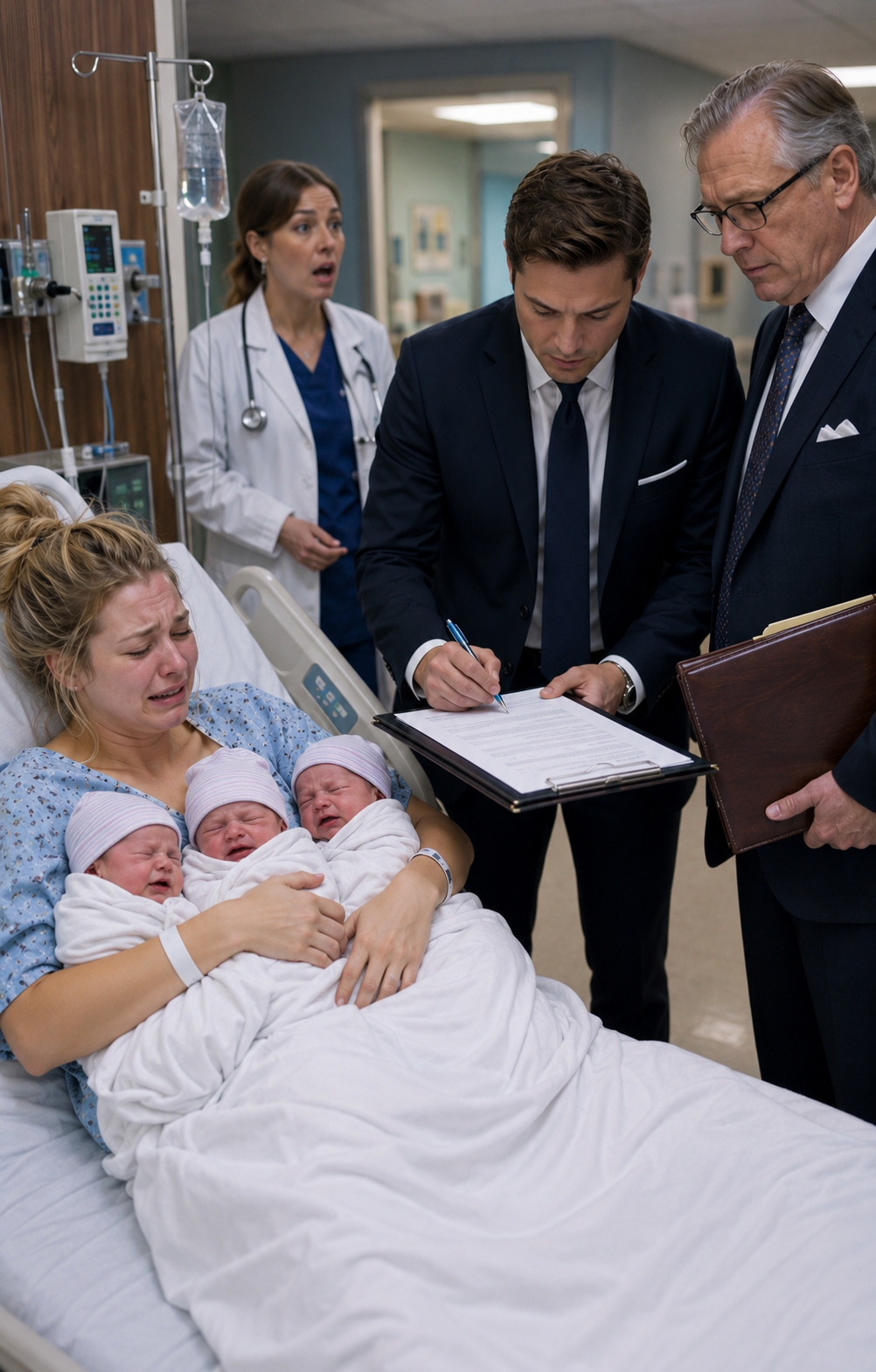
PARTE 2
Quando Grant Holloway mi ha chiamato, il suo nome è apparso sul telefono della stanza d’ospedale al posto della mia cella.
Il mio telefono era nella borsa delle mie cose sin dall’intervento, sigillato in plastica con la mia fede nuziale, la cravatta per capelli e la piccola collana d’argento che Grant mi aveva regalato nel nostro primo anniversario. Non ne avevo ancora chiesto nulla. Non potevo sopportare di toccare quelle cose, non mentre il mio corpo si sentiva ancora come se appartenesse a qualcun altro, non mentre il mio cuore batteva ancora con la conoscenza spenta e pesante che l’uomo che avevo amato si era allontanato mentre i medici lottavano per salvarmi la vita.
La stanza d’ospedale era tranquilla, fatta eccezione per il ritmo morbido delle macchine e il suono lontano di un carro che rotolava lungo il corridoio. La luce del mattino scivolò attraverso le persiane in sottili linee dorate, cadendo sulla coperta sopra le mie ginocchia. Mi faceva male l’incisione. La mia gola era ancora cruda dal tubo respiratorio. Ogni movimento mi ricordava quanto fossi arrivato vicino a lasciare questo mondo prima ancora di aver tenuto i miei figli come si deve.
Figli miei.
Il pensiero di loro ha portato sia calore che terrore.
Tre piccole vite da qualche parte oltre queste mura. Tre bambini che avevano sentito il mio battito cardiaco dall’interno e poi erano entrati nel mondo mentre il mio era scomparso per quei minuti terrificanti. Li avevo visti una sola volta, attraverso uno schermo, perché le infermiere avevano organizzato una videochiamata quando ero abbastanza forte da rimanere sveglio. Erano così piccoli che le loro coperte sembravano troppo grandi per loro. Uno aveva il pugno premuto contro la guancia. Uno aveva calciato dolcemente in aria. Una le aveva aperto gli occhi per una frazione di secondo, come se cercasse una voce che riconoscesse.
“Baby A è forte,” aveva detto l’infermiera neonatale con un sorriso che tremava ai bordi. “Baby B è testardo. Baby C è quello calmo.”
Avevo pianto così forte che l’infermiera dovette ricordarmi di respirare.
Now the phone rang again.
The sound seemed too loud in the room.
My mother, who had fallen asleep in the chair beside my bed after refusing to leave for nearly twenty hours, opened her eyes. She sat up, her gray-streaked hair mussed, her face pale from worry.
“Do you want me to answer it?” she asked.
I stared at the phone.
A week earlier, I would have reached for it without hesitation. I would have expected Grant’s voice to be tired, anxious, maybe impatient, but still familiar. My husband. The father of my children. The man who used to place one hand on my stomach every night and whisper to the babies as if negotiating with them.
Now his name felt like a cold object placed against my skin.
“No,” I said softly. My voice was still weak. “I’ll answer.”
My mother’s expression tightened, but she nodded.
I pressed the receiver to my ear.
For a second, neither of us spoke.
Then Grant said, “Claire.”
Not sweetheart. Not love. Not even are you all right?
Just my name, spoken carefully, as if it belonged in a legal document.
“What do you want?” I asked.
There was a pause. I heard traffic in the background, then the faint click of a car signal.
“We need to talk.”
The words were so ordinary that I almost laughed. We need to talk. As though we had disagreed over dinner plans. As though he had forgotten an anniversary. As though he had not stood outside an ICU signing away our marriage while I lay unconscious behind double doors.
“I’m recovering from surgery,” I said. “Talk to my lawyer.”
“You don’t have one.”
Something in his voice made my hand tighten around the receiver.
“Not yet,” I said.
He exhaled. “Claire, don’t make this harder than it already is.”
My mother stood from the chair, eyes sharp now.
“Harder?” I repeated.
“I know you’re upset.”
I looked at the IV taped to my hand. My skin looked almost transparent beneath the fluorescent light. “That’s an interesting word for what I am.”
“I didn’t call to argue.”
“Then why did you call?”
Another pause. This one longer.
“When can you sign the consent forms regarding the babies?”
My breath caught.
The room seemed to tilt slightly, not enough for anyone else to notice, but enough for me to feel it.
“What consent forms?”
“For temporary care arrangements,” Grant said. “There are complications because of your condition and the legal transition. The hospital needs documentation.”
“The hospital told me they were under administrative review,” I said slowly. “They did not say anything about you arranging care.”
“Because you were unconscious when the process started.”
“The process started because you divorced me while I was unconscious.”
My mother crossed the room and reached for my shoulder. Her hand was warm, steady.